
Volkswagen’s new full-hybrid: electric running, no plug required
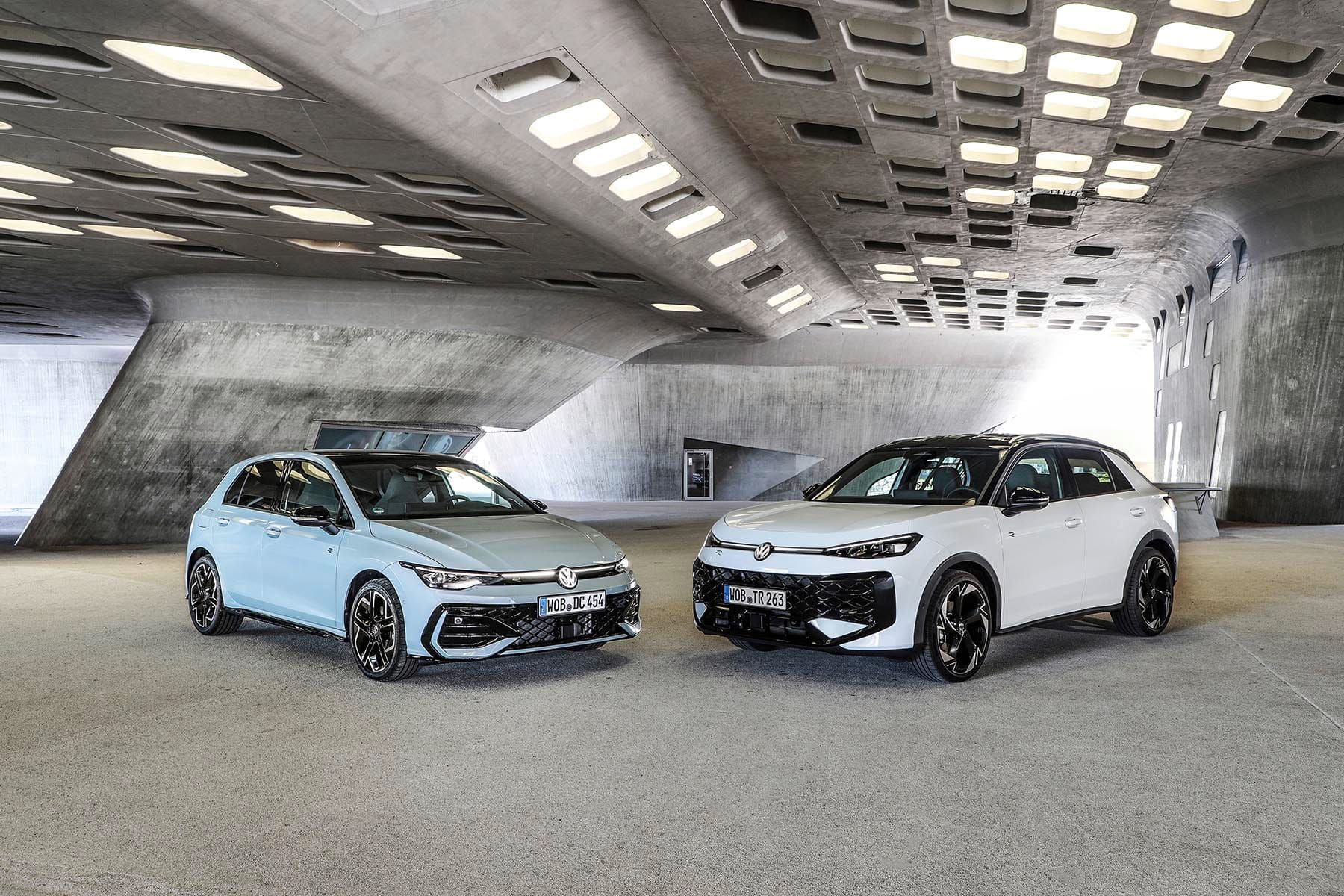
A new self-charging hybrid system is set for the Golf and T‑Roc, promising more EV-style driving without the cost—or hassle—of plugging in.
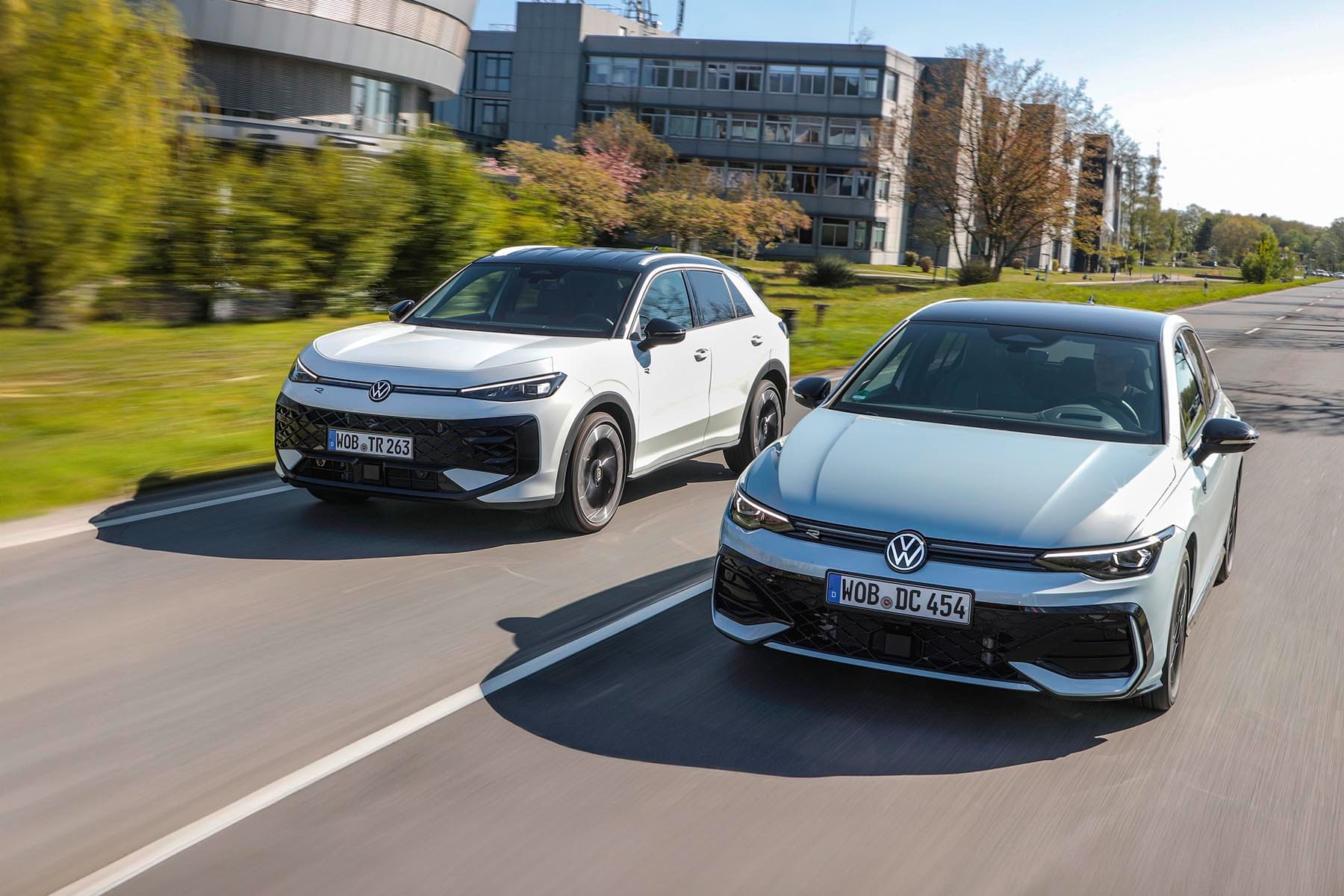
Volkswagen is readying a new full-hybrid drivetrain for the Golf and T‑Roc, due to arrive from the fourth quarter of this year. Designed to deliver short bursts of electric-only driving while keeping running costs in check, the system doesn’t rely on a charging cable or public infrastructure. Instead, it tops up its battery on the move through energy recuperation and by using a turbocharged petrol engine with a generator. Volkswagen says the new setup will be offered in two power outputs and will cut fuel consumption versus a mild-hybrid system. Full technical details are being presented in Vienna at the International Vienna Motor Symposium (22–24 April 2026).
In simple terms, a full hybrid aims to sit in the sweet spot: it can run electrically more often than a mild hybrid—helping to reduce consumption and emissions—without the price premium and plug-in requirement of a PHEV. In the Golf line-up, the new ‘Hybrid’ badge will bridge the gap between the existing ‘eTSI’ mild-hybrid models and the plug-in ‘eHybrid’ and performance-focused GTE variants. Together with the all-electric ID. models, Volkswagen argues this broader spread of electrified powertrains is intended to cover everything from city commuting to longer motorway miles.
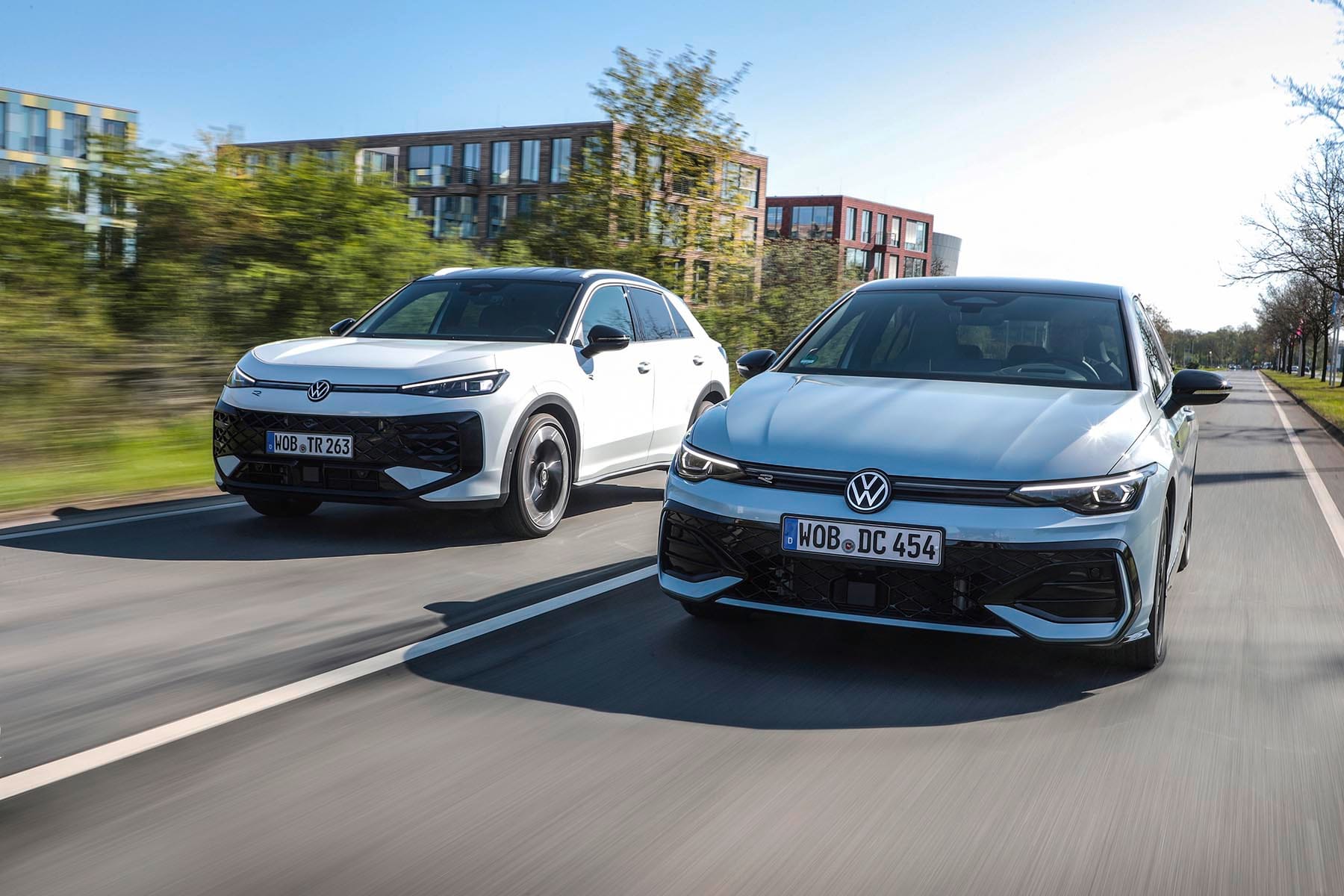
What’s under the skin. The new hybrid setup drives the front wheels and centres on three key elements: a hybrid module, a turbocharged petrol engine (TSI) and a lithium-ion battery. The module packages an electric drive motor, a second motor acting as a generator, power electronics, a differential and a one-speed gearbox. It also incorporates an electronically controlled multi-plate clutch with its own control unit to connect or disconnect the TSI from the drivetrain as required. Volkswagen has also integrated an electric air-conditioning compressor and an electric brake servo. A 1.6 kWh (gross) NMC lithium-ion battery—typical capacity for HEV applications—sits in the rear floor area of both the Golf and T‑Roc.
How it drives: three operating modes. Volkswagen calibrates the 1.5 TSI evo2, two electric machines and the high-voltage battery to balance efficiency, performance and refinement. In many everyday situations—pulling away, low-speed running and stop-start urban traffic—the car can operate on electric power alone for quieter progress. Depending on conditions and driver demand, the system automatically switches between three modes:
- Electric drive — low-speed running powered solely by the electric motor, with the TSI switched off.
- Series hybrid — the wheels are driven by the electric motor; the TSI runs in the background but is decoupled from the drivetrain, turning the generator in an efficient operating window to supply electricity and help extend electric running.
- Parallel hybrid — from around 60 km/h, the petrol engine typically takes the lead on open roads and motorways, with the electric motor assisting as needed (for example, providing a boost under acceleration).
Driver-selectable profiles. Golf Hybrid and T‑Roc Hybrid buyers will be able to choose between Eco, Comfort and Sport. Eco caps maximum system output at 70% and disables the boost function to prioritise efficiency. Comfort delivers full system output and allows boosting when needed. Sport sharpens responses by switching earlier into series operation so maximum power is available sooner.
Volkswagen says UK specifications, pricing and on-sale dates will be confirmed closer to launch.