Safari Rally Kenya: Survival, Strength and Symbolic Success
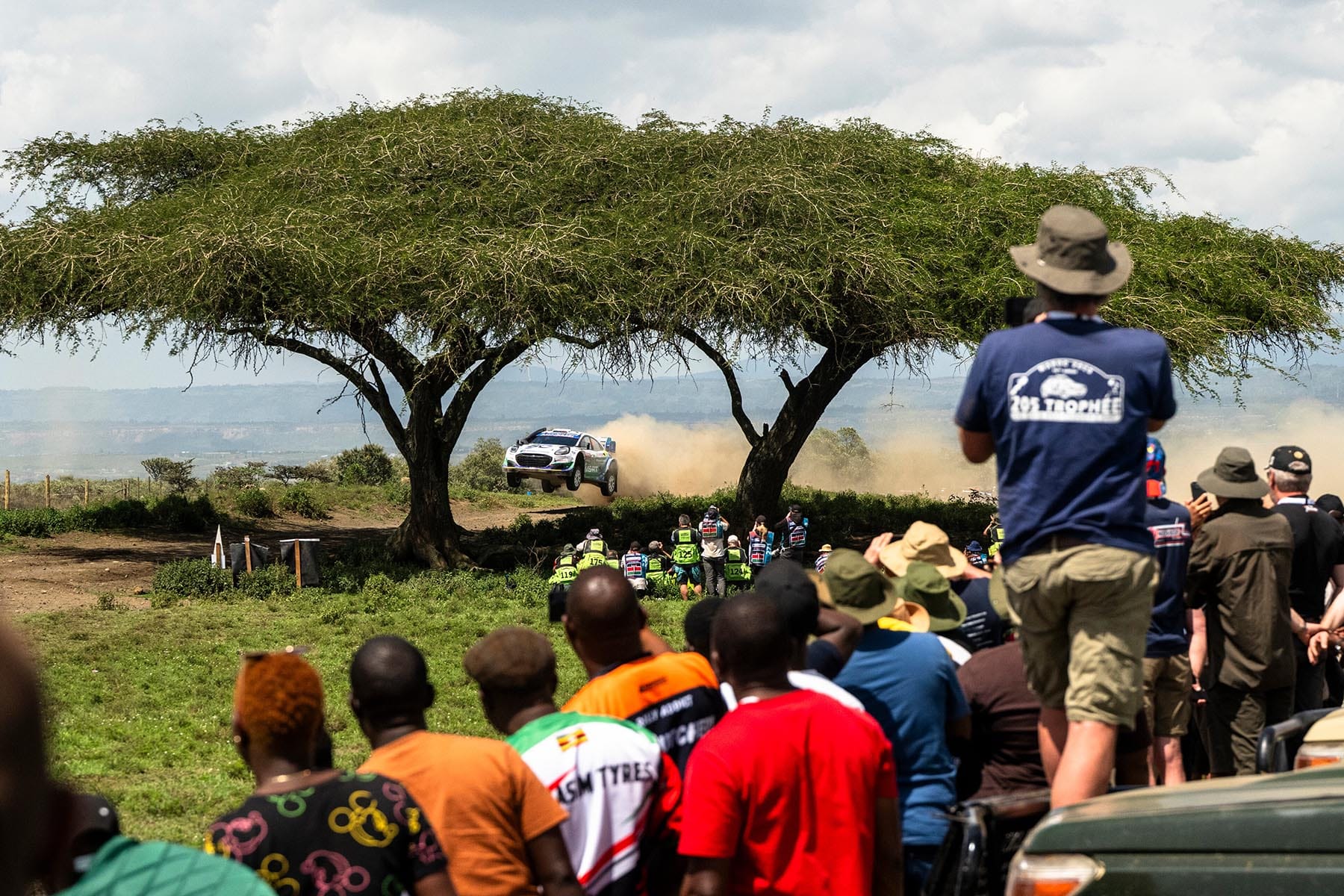
Safari Rally Kenya once again delivered a brutal reminder of why it remains one of the most feared events on the World Rally Championship calendar. Round three of the 2026 WRC season brought joy and frustration in equal measure for Irish and British crews, as unforgiving terrain, torrential rain and hidden hazards turned the iconic African rally into an all‑out test of survival.
From breakthrough triumphs at the front to hard‑earned finishes further down the order, Safari proved that in Kenya, resilience often matters more than outright speed.
Milestone Victory at the Top
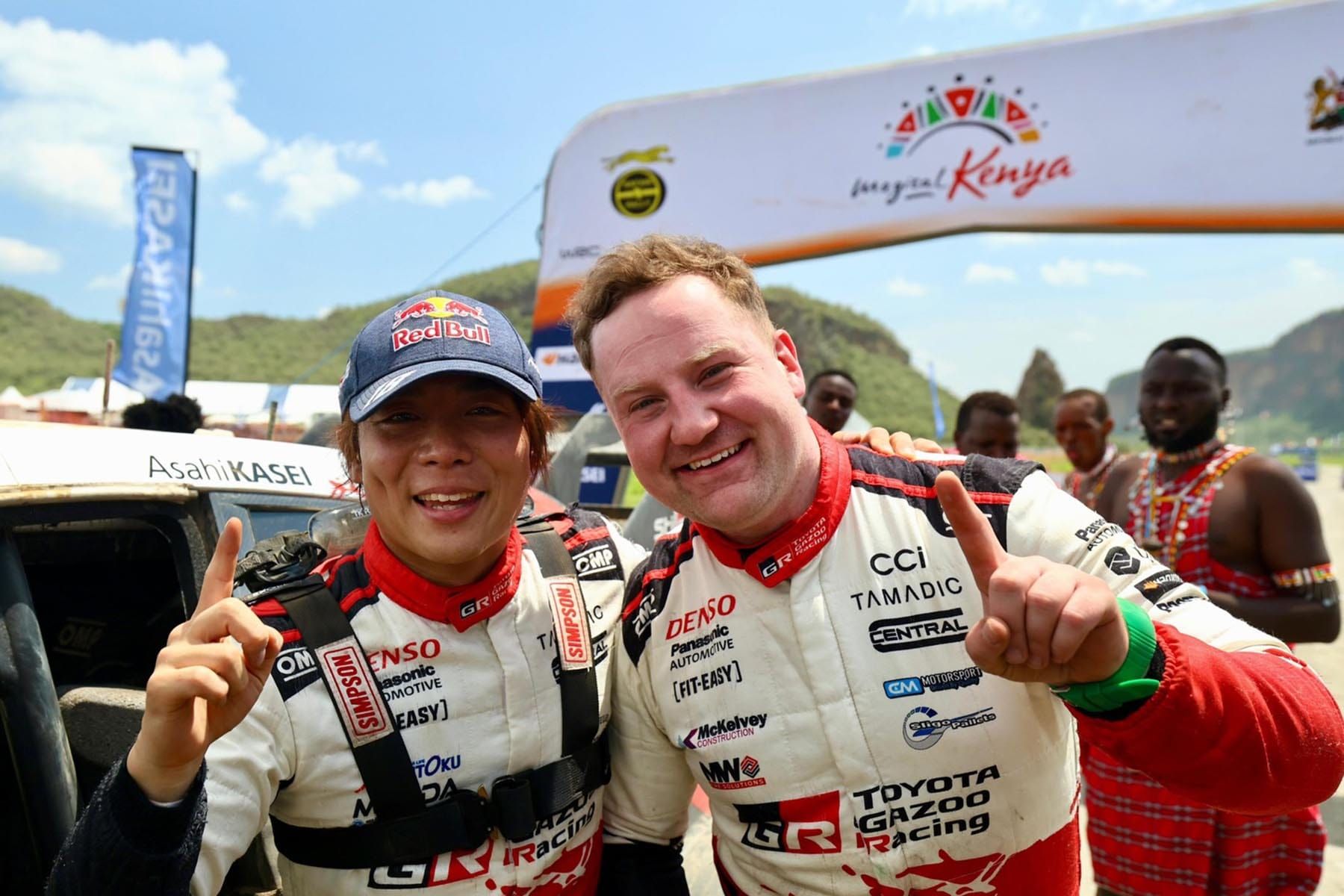
The rally will be remembered most for a landmark moment at the front of the field. Takamoto Katsuta and co‑driver Aaron Johnston secured their maiden WRC victory for TOYOTA GAZOO Racing World Rally Team, continuing the Japanese manufacturer’s unbeaten run at Safari since its return to the calendar in 2021.
For Fintona‑based navigator Johnston, it marked his first WRC win — achieved on one of the championship’s most punishing stages — while Katsuta became only the second Japanese driver to win a WRC round.
“It’s such an amazing feeling to achieve this result,” said Katsuta. “It’s hard to describe how I felt when I crossed the finish line — it was just crazy. There have been so many difficult moments, but finally we are here. We never give up, and we’ll keep working hard to achieve more results like this.”
After losing time to punctures on Friday, Katsuta stayed out of trouble through a chaotic Saturday as rivals fell by the wayside. By mid‑day service he had taken the lead, managing it calmly through Sunday’s final stages to win by 27.4 seconds.
Armstrong and Byrne Show Grit on Safari Debut
One of the standout performances of the rally came from Jon Armstrong and Donegal navigator Shane Byrne in the Ford Puma Rally1. On their Safari Rally Kenya debut, the M‑Sport pairing showed immediate pace, finishing the opening stage just 4.8 seconds behind Adrien Fourmaux before bettering Esapekka Lappi and running close to Thierry Neuville in SS2.
Friday morning continued to impress. Armstrong set the fifth‑fastest time on the opening stage of the day and reached lunchtime service eighth overall — an exceptional position on one of the toughest events in world rallying.
The Safari soon fought back. A puncture in SS8 cost time but was handled calmly, before a heavy impact in SS9 broke a rear‑right driveshaft and compression strut, forcing an early stop. Refusing to surrender, Armstrong and Byrne carried out a remarkable roadside repair, losing 24 minutes but staying in the rally.
Saturday brought even tougher conditions after overnight rain flooded and softened the stages. Despite an early spin, Armstrong delivered one of the drives of the rally on SS13 Sleeping Warrior, setting the second‑fastest time — just 16.2 seconds off Sébastien Ogier — despite suffering another puncture.
Further punctures and a water‑temperature scare followed, but the crew pressed on. Strong pace on Sunday confirmed their potential, with fifth‑ and sixth‑fastest stage times helping secure 15th overall.
“It’s been one of the toughest weekends we’ve experienced,” said Armstrong.
“Some of the issues we had were my mistake, but at least we were able to fix the car and continue. That’s just Kenya — you take it on the chin and bank the experience. I’m quite happy with our pace and looking forward to getting back on tarmac.”
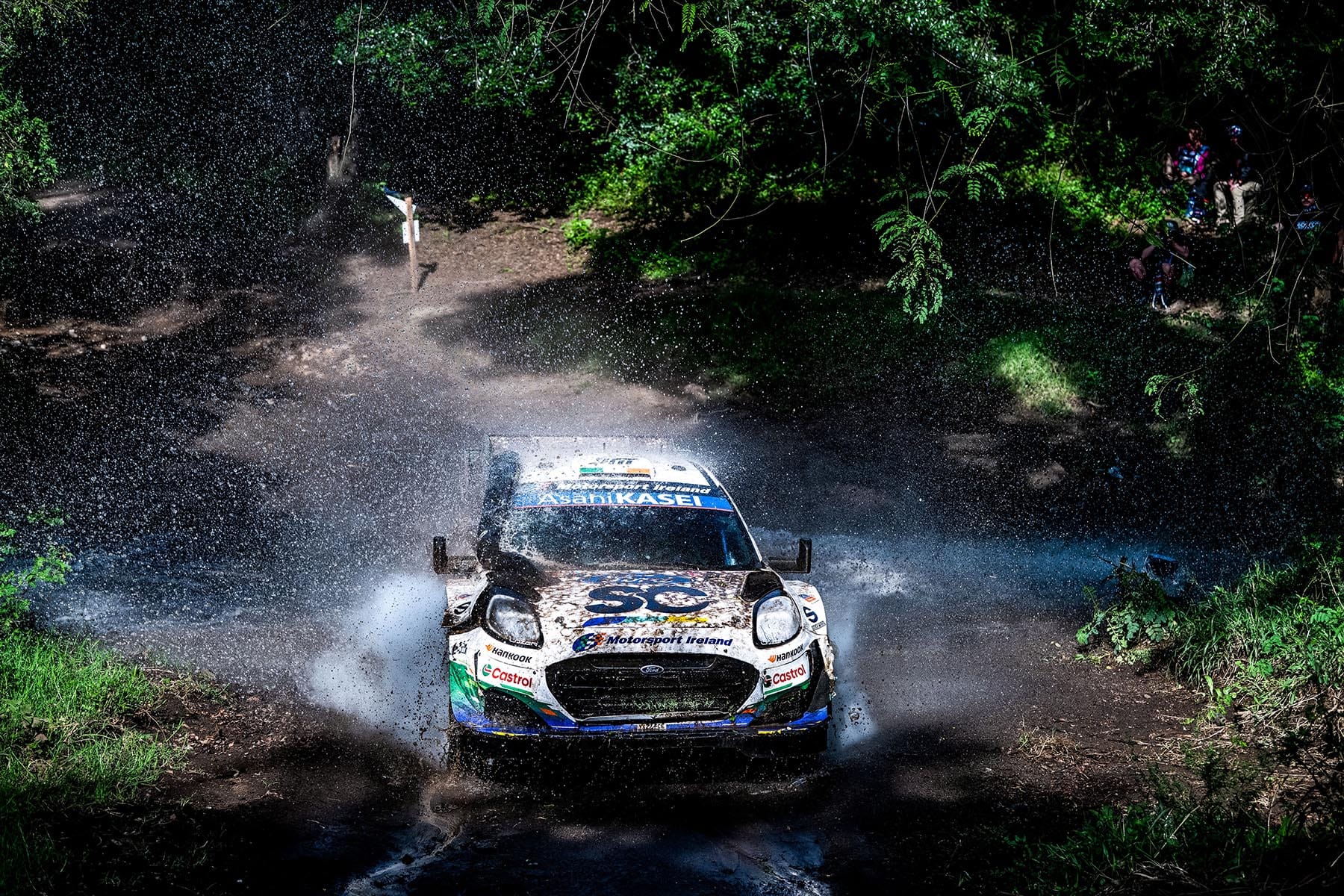
McErlean’s Weekend Ends in Heartbreak
For Josh McErlean and Cork co‑driver Eoin Treacy, Safari Rally Kenya delivered raw pace — and cruel disappointment. Returning with experience, the Irish pairing showed strong form immediately, even outpacing Thierry Neuville through the opening kilometres of SS2.
However, engine temperature warnings soon emerged, costing time on Friday morning. Despite this, McErlean responded with a joint‑third fastest time on SS6, ahead of both Fourmaux and M‑Sport teammate Armstrong.
The rally then dealt its heaviest blow. A hidden rock impact on SS7 caused a puncture and front‑end damage, with inspection revealing irreparable gearbox failure. Although the crew regrouped overnight, Saturday’s extreme conditions proved decisive. Severe water ingestion on SS13 forced the engine to stall, and despite heroic efforts to keep the car running through the afternoon, retirement was confirmed ahead of Sunday.
“It’s disappointing to retire after the effort the whole team put in,” said the Kilrea driver.
“Safari is always a huge challenge, but the third‑fastest time on Friday showed what we’re capable of. Thanks to the M‑Sport team for all their hard work.”
Battling to the Finish
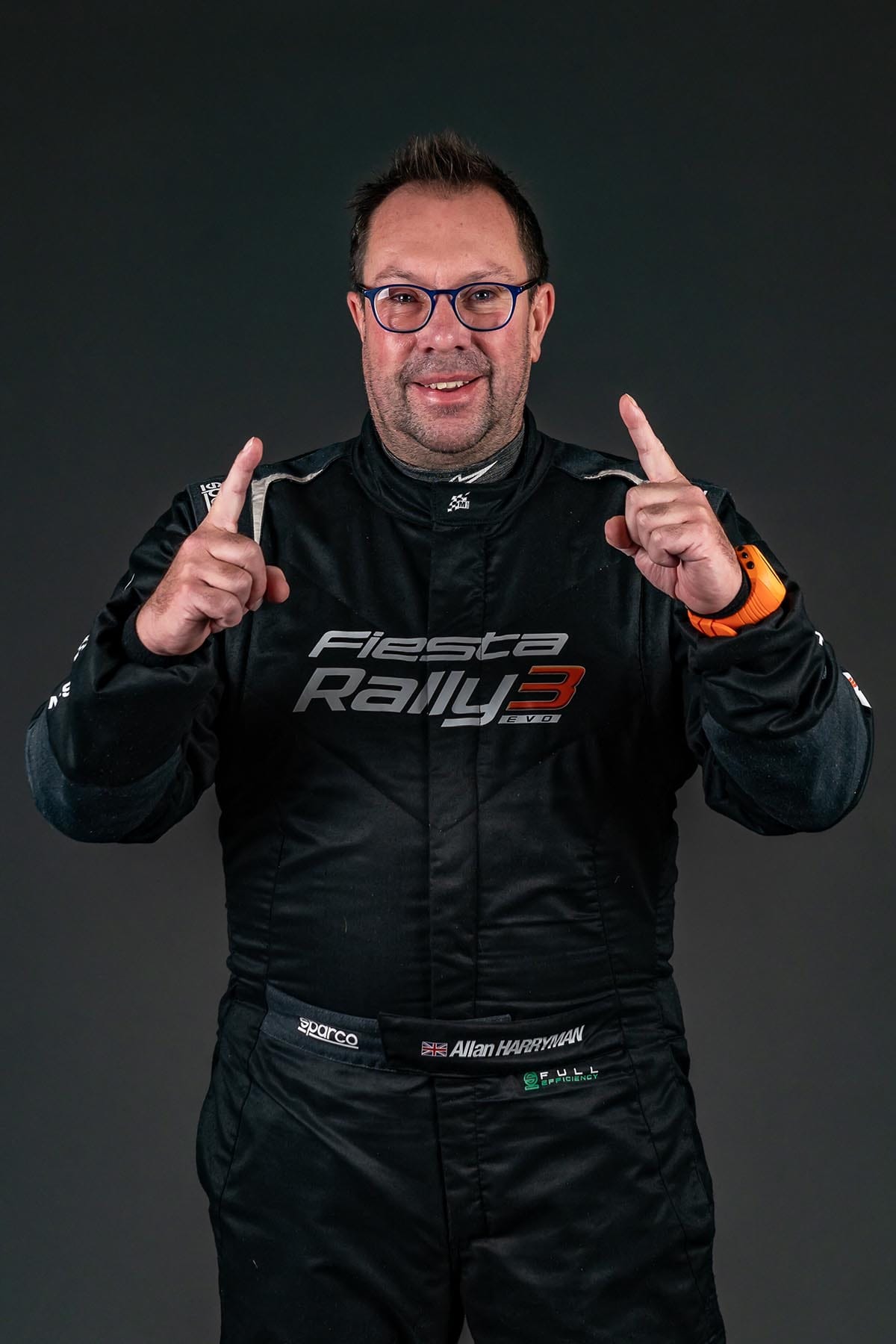
There were also encouraging results further down the order. Bangor’s Allan Harryman finished 16th overall and claimed victory in the Rally3 category navigating for Greece’s George Vasilakis, while Omagh’s Gordon Noble reached the finish in 26th overall navigating in Harprett Singh Bogal’s Mitsubishi Lancer Evo X — an achievement in itself on such a demanding event.
A Rally That Defines Careers
Safari Rally Kenya once again lived up to its legend. Heavy rain made this the most demanding modern‑era Safari yet, with only a handful of Rally1 cars completing the event without major technical issues.
For some, it delivered long‑awaited glory. For others, it offered vital experience forged under extreme pressure. And for all who tackled it, Safari reaffirmed its status as the ultimate rally of survival — where simply reaching the finish can speak louder than any result.